 Indian Chamber of Commerce,
  The Bengal Chamber |
  IATA Authorized |
  National Skill Development Corporation |
  DGCA-Approved for Dangerous Goods Training (DGR) |
  Members of the Confederation of Indian Industry (CII) |
  Federation of Indian Chambers of Commerce and Industry
  Ministry of Education
 MoE's Innovation Cell
 Institution's Innovation Council
 AICTE Approved
 We Offer Student Credit Card (Authorized by The Government of West Bengal)

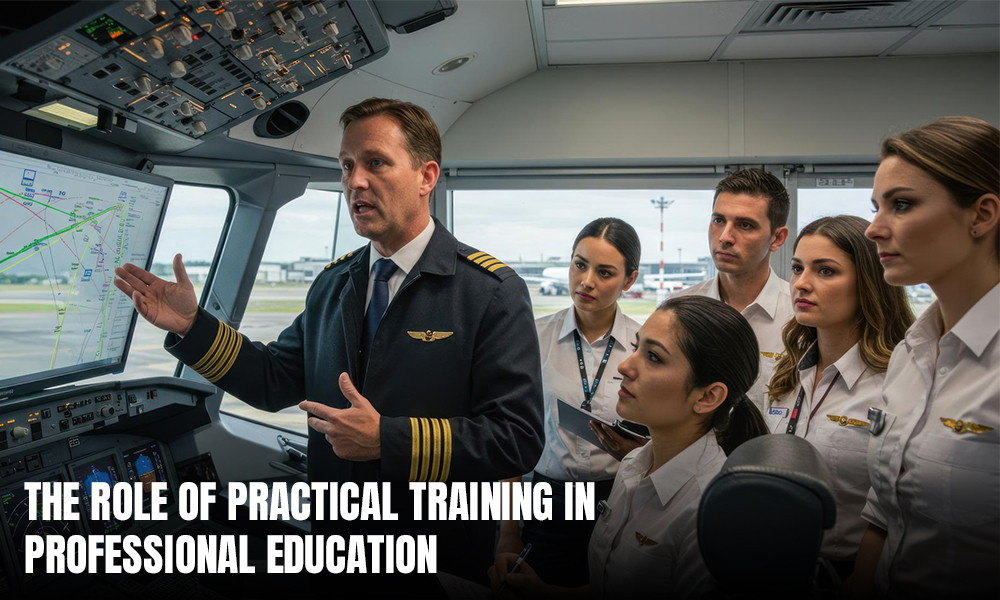
Choosing a career path is an important decision for every student. While academic knowledge builds the base of learning, professional success also depends on how well students can apply that knowledge in real situations. This is where practical training becomes an essential part of professional education.
Today, industries look for professionals who have both subject knowledge and the ability to handle workplace responsibilities. Practical training helps students gain experience, improve their skills, and understand how their learning connects with real professional environments.
What is Practical Training?
Practical training is a learning process where students apply classroom concepts through hands-on activities, projects, internships, workshops, and industry exposure. In career-focused one-year Diploma courses such as Diploma in Hospitality and Hotel Administration and Diploma in Aviation Hospitality and Aviation Management, as well as Degree courses such as BSc Hons in Aviation Operations and BBA in Aviation Operations, practical learning helps students understand how their chosen industries work while building the skills needed for professional roles. Instead of only learning theories, students get opportunities to practice tasks, solve problems, work with industry tools, and understand workplace expectations. This hands-on approach prepares them for the responsibilities and challenges they may face after completing their education.
Role of Practical Training in Professional Education
Helps Students Apply Theoretical Knowledge
Classroom lessons provide important concepts, but practical training shows students how those concepts work in real life. By working on projects and practical assignments, students understand the application of their knowledge and develop better problem-solving abilities.
Develops Industry Relevant Skills
Every industry has specific requirements, and practical training helps students gain skills that match professional expectations. Whether it is technology, aviation, hospitality, marketing, or management, hands-on learning allows students to become familiar with industry practices.
Builds Confidence for the Workplace
Starting a career can feel challenging for fresh graduates. Practical experience gives students a better understanding of workplace responsibilities and helps them become more confident in handling tasks, communicating with teams, and managing professional situations.
Improves Communication and Teamwork
Professional environments require effective communication and collaboration. During practical training, students learn how to work with others, share ideas, manage responsibilities, and contribute as part of a team.
Provides Real Industry Exposure
Internships, workshops, and training sessions allow students to experience professional environments before entering the workforce. This exposure helps them understand workplace culture, industry trends, and the skills employers value.
Encourages Learning Through Experience
Practical training allows students to learn by doing. They can experiment with new ideas, identify mistakes, and improve their approach. These experiences make learning more engaging and help students grow professionally.
Practical training plays an important role in making professional education more effective and career-focused. It helps students transform their knowledge into valuable skills while preparing them for real workplace challenges. A combination of academic learning and hands-on experience allows students to step into their chosen careers with confidence and competence. For students planning their future, choosing a course that offers practical exposure can be a strong step towards building a successful career. The best management college in Kolkata offers Diploma and Degree courses that combine academic learning with industry-focused practical training, helping students develop the skills and confidence needed for long-term career success.